

The Physiological Toll of Long-Haul Air Travel
For many travelers, the journey to the ‘Island of the Gods’ involves crossing multiple time zones and spending 10 to 20 hours in a pressurized airplane cabin. While the destination is paradise, the journey itself can be punishing for the human body. A Post-flight massage Bali specializing in lymphatic drainage has become the ‘secret weapon’ for seasoned travelers looking to minimize the physical impact of long-haul flights. The combination of immobility, low cabin pressure, and recycled air creates a ‘perfect storm’ for fluid stagnation and systemic inflammation. Understanding why your body reacts this way—and how to fix it—is essential for anyone who wants to start their holiday feeling energized rather than exhausted.
The Science of ‘Traveler’s Edema’ and Fluid Stagnation
Why do our ankles swell and our legs feel like lead after a flight? This condition, known as traveler’s edema, occurs because the lymphatic system lacks a central pump like the heart. It relies on the movement of our leg muscles (the ‘calf pump’) to move fluid upward against gravity. When you are confined to an airplane seat for hours, this pump is inactive, causing lymph and blood to pool in the lower extremities. Additionally, the low pressure of the aircraft cabin encourages fluid to leak from the blood vessels into the surrounding tissues. A Post-flight massage Bali addresses this directly by manually performing the work your muscles couldn’t do during the flight, guiding the stagnant fluid back into the circulatory system for elimination.
Jet Lag: More Than Just a Sleep Disorder
Most people think of jet lag as a disruption of the circadian rhythm, but it also has a significant physical component. The stress of travel elevates cortisol levels, which is a known inhibitor of the lymphatic system. When your lymph is sluggish, your brain feels foggy and your body feels heavy—symptoms we often attribute solely to lack of sleep. By receiving a Post-flight massage Bali, you are not just treating your legs; you are calming your entire parasympathetic nervous system. This deep relaxation helps to lower cortisol, making it much easier for your body to adjust to the local time zone and helping you achieve high-quality sleep on your first night in Bali.
The Dehydration Paradox and Lymphatic Thickness
The air inside an airplane cabin is notoriously dry, often with less than 20% humidity. This causes significant dehydration, which in turn makes the lymph fluid thicker and more difficult to move. When you land in Bali’s humid, tropical environment, your body often tries to compensate by holding onto every drop of water it can, leading to further bloating. A Post-flight massage Bali works best when combined with aggressive rehydration. The massage helps to distribute fresh water to the dehydrated tissues while the manual drainage clears out the concentrated waste products that accumulated during the flight. This ‘flush and fill’ approach is the fastest way to rebalance your body’s internal environment.
Timing Your Recovery: The 24-Hour Rule
For maximum effectiveness, a Post-flight massage Bali should be scheduled within the first 24 to 48 hours of your arrival. During this window, the fluid in your tissues is still relatively mobile. If you wait too long, the swelling can become ‘pitted’ or more difficult to move, and the inflammatory markers can start to cause muscle aches and joint stiffness. Many travelers now choose to book a mobile lymphatic therapist who can perform the treatment in the comfort of their villa or hotel room just hours after landing. This allows for immediate rest and hydration following the session, which is the ideal protocol for a rapid recovery.
What Happens During a Post-Travel Lymphatic Session?
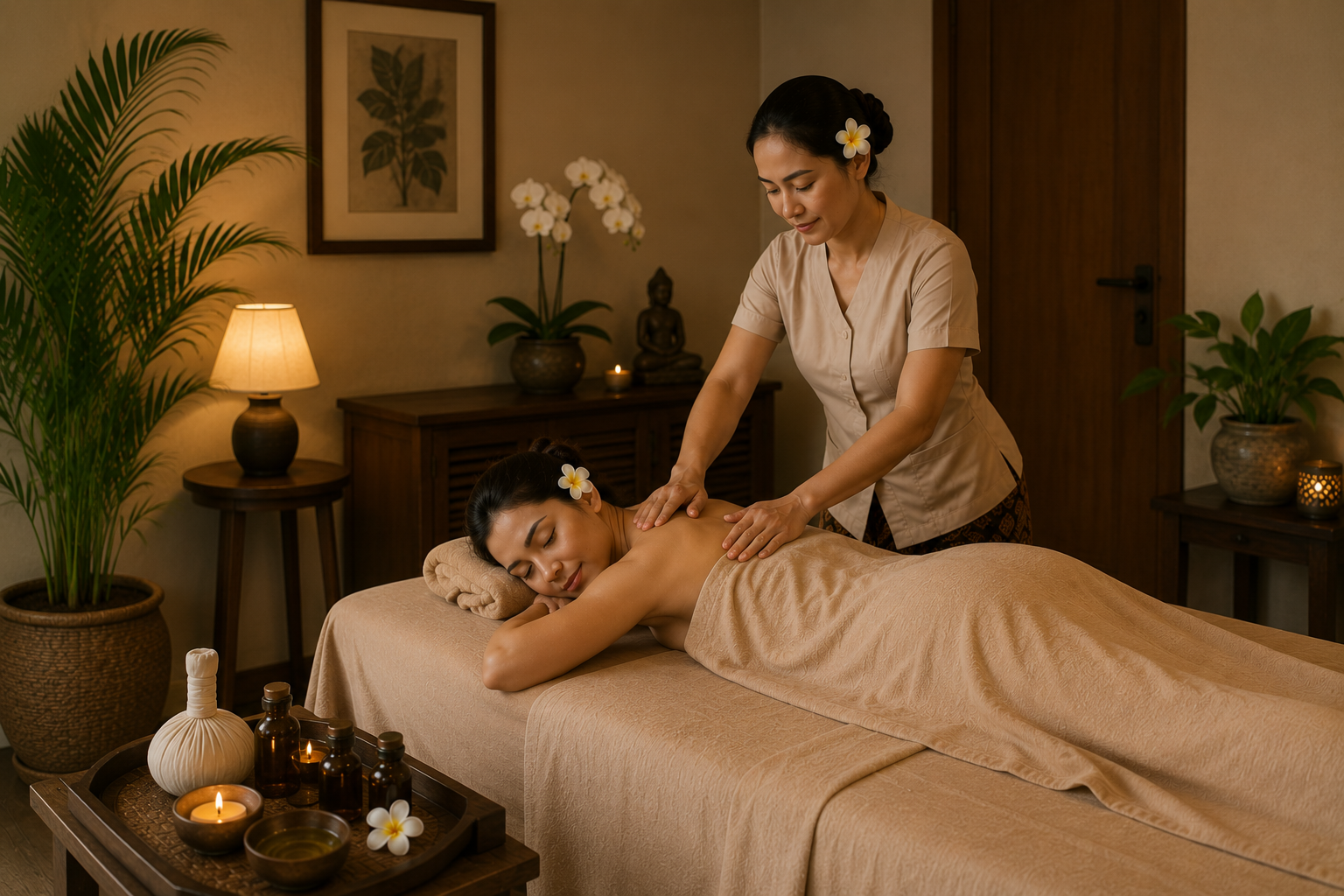
A professional Post-flight massage Bali follows a specific sequence. The therapist will first ‘clear’ the terminus—the area where the lymphatic system drains into the large veins near the heart. This is located just above the collarbones. Next, they will focus on the abdomen to stimulate the ‘Cisterna Chyli,’ a major lymphatic reservoir. Only then will they move to the legs and feet. By clearing the path first, the fluid from your swollen ankles has a clear destination. The strokes are light, rhythmic, and upward-facing. Most travelers notice a visible difference in the size of their ankles and a significant reduction in leg heaviness before they even leave the massage table.
Proactive Travel Tips to Support Your Massage
While a Post-flight massage Bali is incredibly effective, you can support the results by taking proactive steps during your journey. Wear compression socks to help minimize the initial fluid pooling. Drink at least 250ml of water for every hour you are in the air. Avoid alcohol and salty airplane snacks, which further exacerbate fluid retention. Once you land, try to take a short walk on the beach or do some gentle stretching before your massage appointment. These small actions, combined with professional lymphatic drainage, will ensure that you don’t lose the first three days of your holiday to travel-induced lethargy.
Conclusion
A Post-flight massage Bali is an investment in your vacation time. Instead of spending your first few days feeling bloated, tired, and uncomfortable, you can reset your system and start enjoying the island immediately. By understanding the physiological challenges of air travel and using lymphatic drainage as a corrective tool, you are giving your body the support it needs to thrive in a new environment. Whether you are in Bali for a honeymoon, a surf trip, or a business retreat, making a lymphatic session your first priority is the smartest move you can make for your health and happiness.